
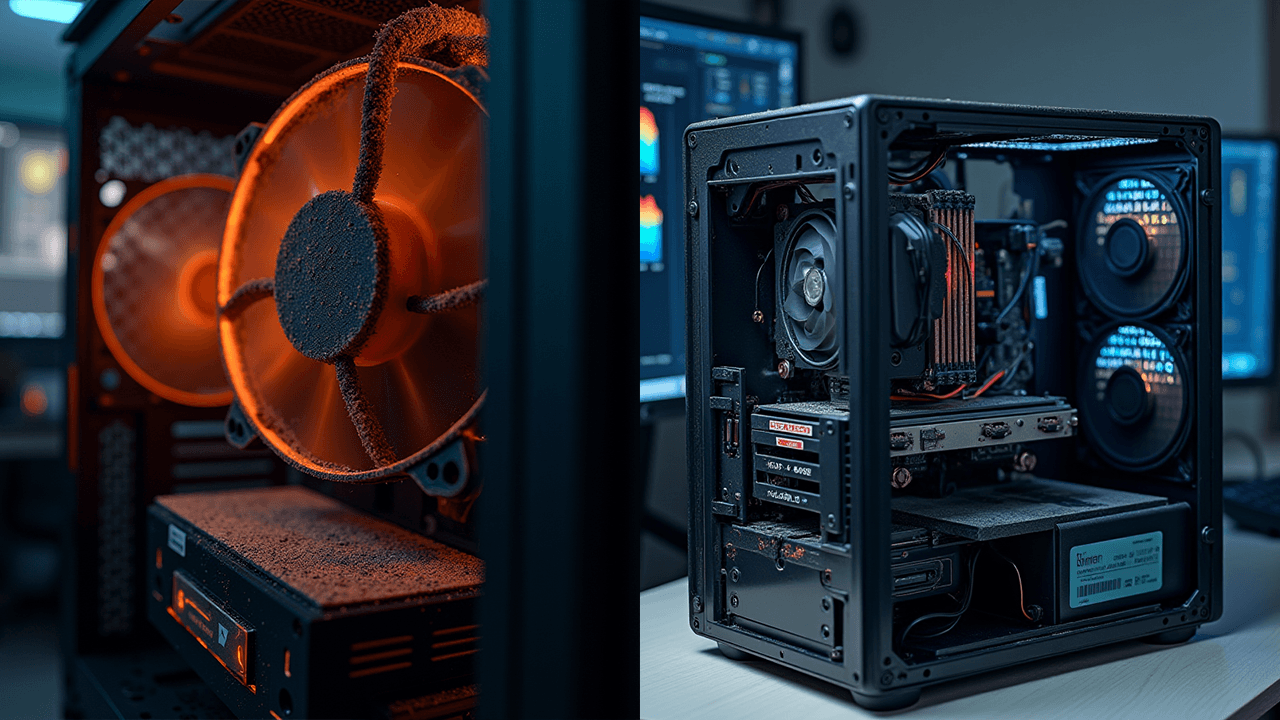
Most serious computer failures don’t happen suddenly. In most cases, they start with small warning signs that are easy to overlook. A PC that takes longer to start, a cooling fan that’s slightly louder than usual, or antivirus software that keeps disabling itself or slowing the system down. Because everything still appears to be working, these issues are often ignored until a minor fault develops into a complete system failure.
These early symptoms usually indicate deeper technical problems developing behind the scenes. For example, a noisy fan is often a sign of dust buildup or poor airflow. Left unchecked, this causes sustained overheating, which can permanently damage components like the CPU or GPU. Similarly, a slow hard drive or SSD is rarely just a speed issue. It often points to early hardware degradation, corrupted sectors, or failing memory cells, all of which increase the risk of sudden and irreversible data loss.
Skipping operating system and security updates adds another layer of risk to your system. Outdated software can lead to compatibility issues, unexpected crashes, and unpatched security gaps. Over time, this leaves your PC exposed to malware, ransomware, and unauthorised access, problems that are far more expensive and disruptive to fix than to prevent.
Why Ignoring Small IT Issues Gets Expensive
When small IT problems are ignored, the financial consequences tend to escalate quickly. Replacing failed components such as hard drives, graphics cards, or motherboards is significantly more expensive than routine maintenance. Data recovery services, especially in cases of complete drive failure, can cost hundreds of pounds with no guarantee of success. Beyond repair costs, downtime is often the most expensive consequence. For professionals and businesses, even a single day without a working system can lead to missed deadlines, reduced productivity, and delayed operations. Home users experience repeated interruptions, wasted time troubleshooting issues, and the ongoing frustration of unreliable performance. Over time, these disruptions accumulate, creating both financial loss and mental strain.
Why Preventative Maintenance Is the Smarter Approach
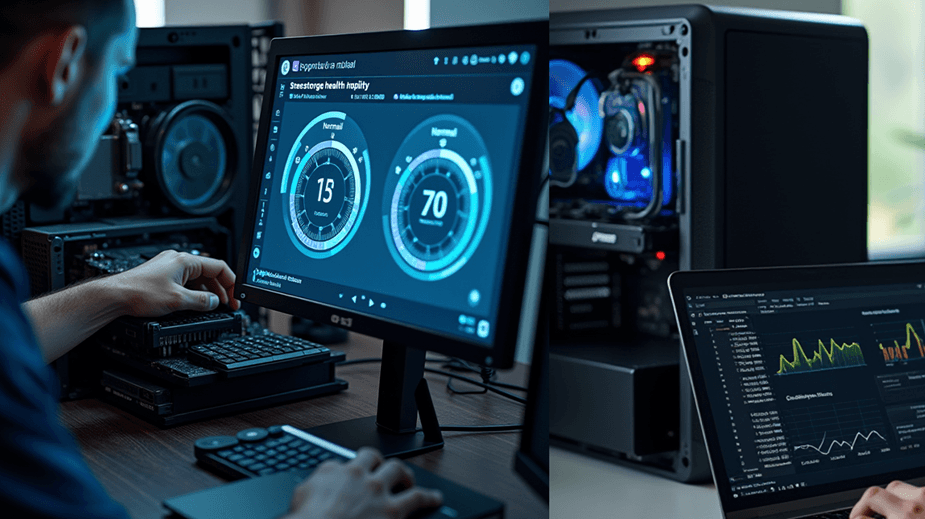
Preventative maintenance focuses on identifying and resolving problems at their earliest stage, before they cause permanent damage. Regular diagnostics allow technicians to detect overheating trends, storage health decline, software conflicts, and security weaknesses long before they become critical failures.
By addressing these issues early, systems remain faster, more stable, and significantly more reliable. Preventative checks also extend hardware lifespan, reduce the need for emergency repairs, and help users plan upgrades instead of being forced into them unexpectedly.
In simple terms, prevention costs far less than repair.
If you want to avoid unexpected breakdowns, data loss, and costly last-minute fixes, regular PC health checks are essential. Booking a preventative inspection with Focus PC helps keep your system secure, stable, and performing at its best, without the stress or disruption of emergency repairs.