
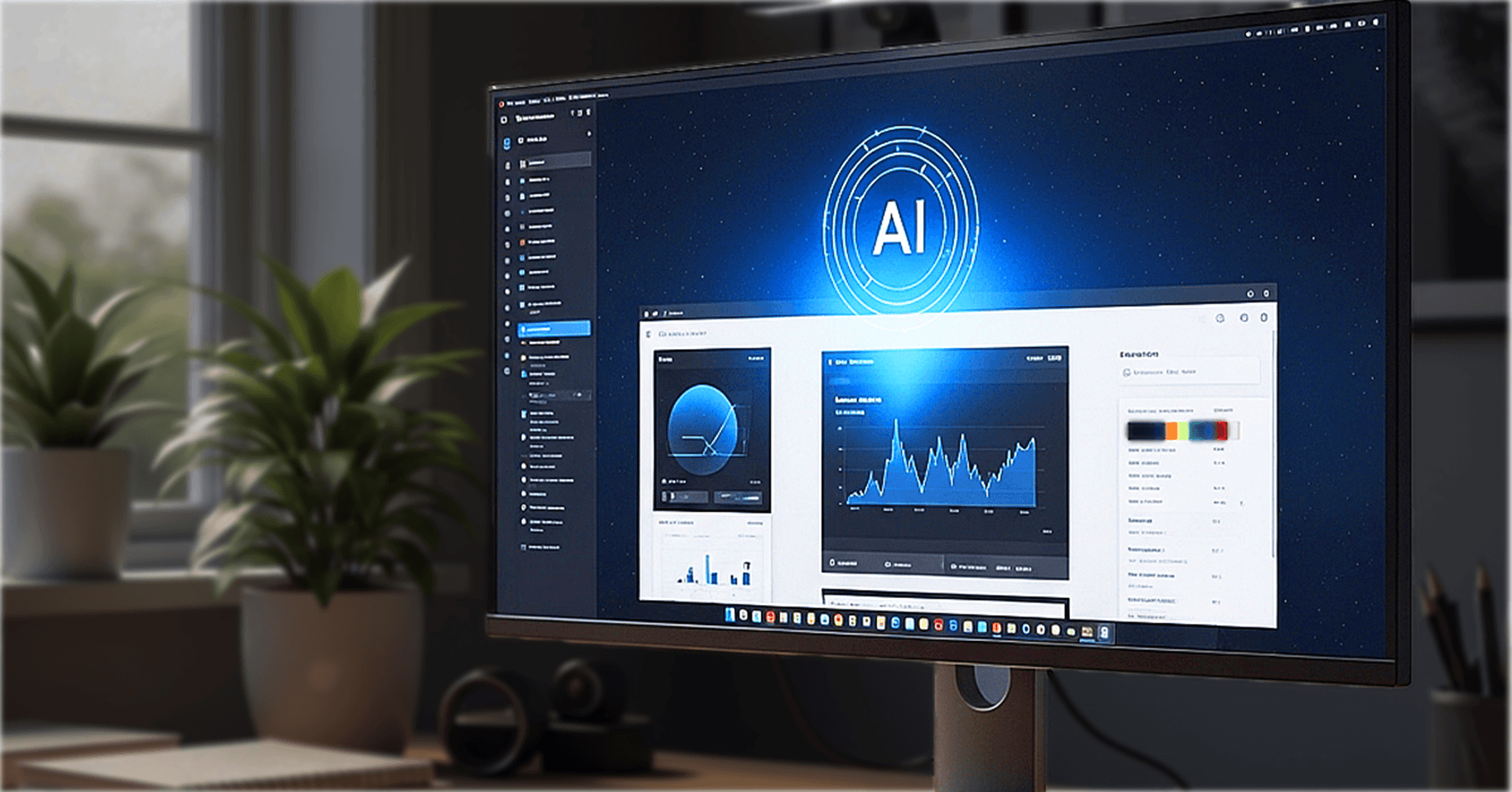
Artificial intelligence has moved far beyond research labs and experimental projects. It is now part of everyday computing, quietly working behind the scenes in the tools and systems people use daily. Whether it is voice assistants, recommendation systems, or real time data analysis, AI is shaping how modern devices operate and respond.
What makes this shift more significant is not just the software, but the hardware powering it. Computers are no longer being designed only for speed. They are being built to handle intelligent workloads in a more efficient and adaptive way.
How hardware is evolving to support AI
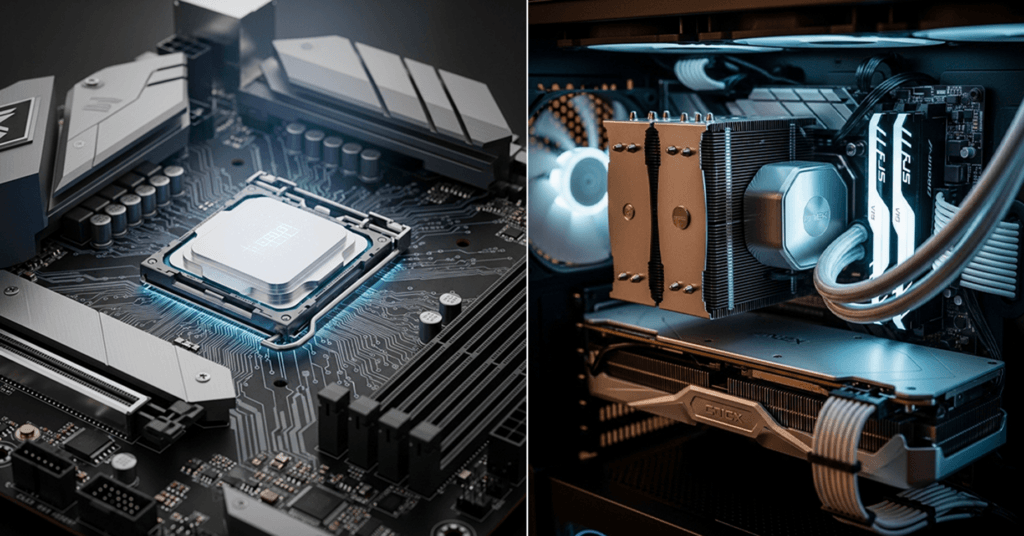
For years, performance was measured using familiar benchmarks like clock speed, number of cores, and available memory. While these still matter, they are no longer the full picture.
Modern CPUs and GPUs now include specialized components designed specifically for AI tasks. These may include dedicated AI cores or neural processing units that can handle machine learning operations much faster than traditional processing methods.
This means systems can process large amounts of data, recognize patterns, and make decisions in real time without putting excessive strain on the rest of the hardware. Instead of simply running tasks, computers are now able to optimize how those tasks are handled.
The result is not just faster performance, but smarter performance.
A shift in what “performance” really means
The idea of performance is changing.
Previously, a high performance system was one that could run demanding applications or handle heavy multitasking without slowing down. Today, performance also includes how efficiently a system can manage intelligent processes in the background.
This includes things like:
- Automatically prioritizing important tasks
- Improving application responsiveness based on usage
- Enhancing security through behaviour analysis
- Reducing power consumption by optimising workloads
In simple terms, a system that understands how you use it is often more valuable than one that simply runs at higher speeds.
What this means for businesses
For businesses, this shift opens up new opportunities to improve efficiency and decision making.
AI capable hardware allows companies to process data faster and gain insights without relying heavily on external systems. Tasks such as automation, predictive analytics, and customer behaviour analysis become more accessible and practical.
Security is another major advantage. Modern systems can detect unusual activity patterns and respond more quickly, reducing the risk of potential threats.
Over time, this leads to:
- Better operational efficiency
- Faster and more informed decision making
- Reduced dependency on cloud based processing
- Stronger system security
Businesses are no longer just investing in hardware. They are investing in smarter infrastructure.
What everyday users will experience
For individual users, the changes may feel more subtle but equally important.
AI driven hardware improves how systems respond to everyday tasks. Applications load faster, multitasking feels smoother, and systems adapt better to user behaviour. Creative work, gaming, and general browsing all benefit from improved efficiency.
There is also a noticeable improvement in how devices manage resources. Systems can reduce unnecessary background activity, which can help extend battery life in laptops and improve overall stability.
It may not always be obvious, but the experience becomes more seamless and less frustrating.
Avoiding unnecessary upgrades
With all this innovation, it is easy to assume that upgrading is essential. In reality, that is not always the case.
Not every user or business will immediately benefit from the latest hardware. If your current system is handling your workload efficiently, upgrading too soon may not provide meaningful value.
The key is to identify real limitations rather than reacting to new technology trends.
Making informed decisions that add value
This is where expert guidance becomes important.
At Focus PC, the focus is on helping businesses and individuals understand their actual needs before making any changes. Instead of recommending upgrades across the board, the approach is to assess current performance, identify gaps, and suggest practical improvements.
Sometimes that means upgrading to AI capable hardware. Other times, it means optimising what is already in place.
The goal is always to improve performance in a way that makes sense both technically and financially.
Why this matters
AI is changing the foundation of modern computing, and hardware is evolving to support this shift. Performance is no longer just about speed. It is about intelligence, efficiency, and adaptability.
As technology continues to develop, the systems that perform best will be the ones designed to handle smarter workloads, not just heavier ones.
Understanding when to adopt these advancements is what ultimately makes the difference between unnecessary spending and meaningful investment.