
Artificial intelligence is no longer just a buzzword. It’s quietly becoming a core part of how modern computers work. With Intel’s latest generation of AI-focused CPUs, we’re starting to see a real shift in how systems handle everyday tasks as well as more complex workloads.
These processors are not just about speed anymore. They are built to handle smarter workloads, adapt to usage patterns, and make computing more efficient overall.
What Has Changed in the Latest Generation of CPUs?
Traditionally, CPUs focused on raw performance, including more cores, higher clock speeds, and improved multitasking. Intel’s new AI focused processors take a different approach.
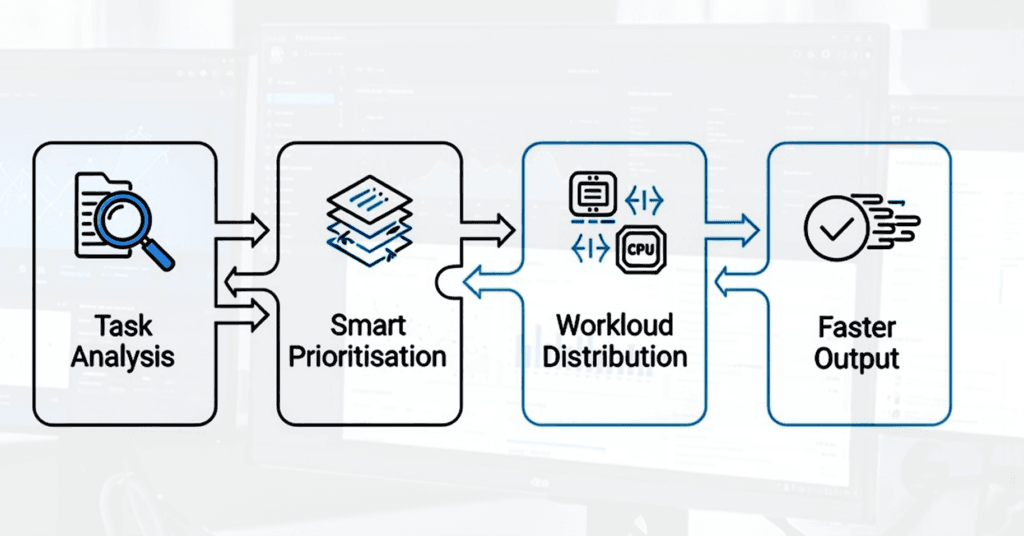
They include built-in AI acceleration, which means certain types of tasks are handled in a smarter way rather than just a faster way. Things like background processes, predictive actions, and heavy applications can be optimised automatically.
Instead of your system struggling under load, it learns how to distribute tasks more efficiently. This results in quicker responses, reduced lag, and better overall system behaviour, especially when running multiple applications at once.
How this translates into real business value
For businesses, this isn’t just a technical upgrade. It directly impacts productivity and efficiency.
Many tasks that previously required cloud processing or high-end servers can now be handled locally on modern machines. This reduces dependency on external infrastructure and can significantly cut costs over time.
There’s also a noticeable improvement in security. AI-enabled CPUs can monitor system behaviour in real time and flag unusual activity much faster than traditional systems. This adds an extra layer of protection without requiring constant manual oversight.
In practical terms, businesses benefit from:
- Faster handling of data-heavy tasks
- More responsive software performance
- Reduced downtime caused by slow systems
- Better support for modern AI-driven tools
It’s less about having “the latest hardware” and more about removing everyday bottlenecks.
How Everyday Users Benefit
You don’t need to run a business to feel the difference.
For regular users, the improvements show up in small but important ways. Applications open quicker, switching between tasks feels smoother, and overall system responsiveness improves.
If you work with creative tools like video editing or design software, you’ll notice better performance under load. Gamers will see more stable performance, and even general browsing becomes more fluid when multiple tabs and background processes are running.
Another subtle but important benefit is efficiency. Many AI-powered systems manage resources better, which can help with battery life in laptops and reduce unnecessary system strain.
Should you upgrade right now or wait?
This is where most people get it wrong.
Just because new technology is available doesn’t automatically mean you need it. If your current system is running smoothly and handling your workload without issues, upgrading might not give you a noticeable return.
However, if you’re experiencing slowdowns, struggling with newer software, or constantly hitting performance limits, then an upgrade becomes more of a necessity than a luxury.
A few clear signs include:
- Your system slows down during basic multitasking
- New applications feel heavy or unresponsive
- You rely on cloud tools because your system can’t handle tasks locally
- You’re losing time due to performance issues
The goal is not to upgrade for the sake of it, but to solve real problems.
Choosing the Right Upgrade for Your Needs
Making the right upgrade decision often comes down to having the right guidance. At Focus PC, the approach is practical and straightforward. Instead of recommending upgrades for the sake of it, the focus is on understanding how your current system performs and where it may be falling short. In some cases, a full upgrade is the best solution, but in others, small and targeted improvements can deliver the performance boost you need. The key is to base the decision on how you actually use your system rather than simply following the latest trends.
Intel’s AI focused CPUs represent a meaningful step forward in modern computing, offering improved efficiency, smarter processing, and a smoother overall experience for both businesses and everyday users. However, the real benefit lies in adopting new technology at the right time. If your system is limiting your productivity or slowing you down, upgrading can make a clear difference. If not, refining and optimising your existing setup may be the more sensible and cost effective choice.